
Photographing Wildlife Responsibly
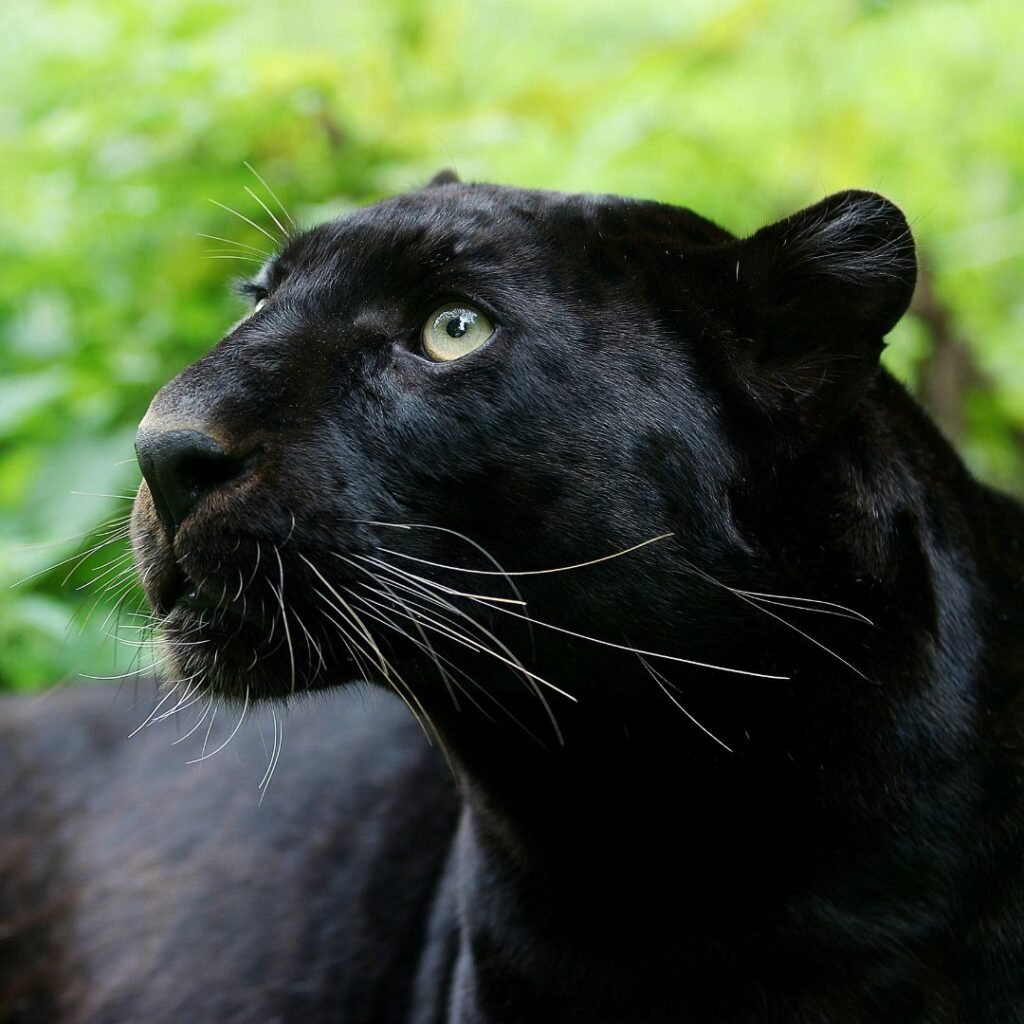
Wildlife photography gives us an opportunity to document extraordinary moments in nature.
It also gives us a responsibility.
The photograph should never be more important than the animal, its behaviour or the environment in which it lives.
Responsible photography begins with understanding that wild animals are not performers. Their behaviour belongs to them.
Let Wildlife Behave Naturally
The most valuable photographs often come from natural behaviour.
An animal feeding, resting, moving through its habitat or interacting with another animal can tell a much stronger story than an image created through disturbance.
Avoid actions intended to force an animal into a particular position or reaction.
The photograph should document the moment—not manufacture it.
Never Pressure an Animal for a Photograph
Wild animals need space.
Repeatedly approaching, blocking movement, following too closely or attempting to keep an animal in view can create unnecessary stress.
If an animal changes its behaviour because of your presence, that is an important signal.
Give it space.
A missed photograph is far better than a disturbed animal.
Respect Safari and Park Rules
National parks and wildlife reserves operate under specific regulations.
These rules exist to protect wildlife, habitats and visitors.
Follow the instructions of forest authorities, guides and safari staff. Stay within designated routes and do not attempt to leave the vehicle unless explicitly permitted.
Rules may vary between protected areas, so learn the requirements of the location you are visiting.
Don’t Encourage Unnatural Behaviour
Feeding wild animals for photographs is harmful.
So is deliberately attracting animals through food, sounds or other artificial methods.
Wildlife should remain wild.
A photograph of an animal behaving naturally is more meaningful than one created through interference.
Avoid Chasing Sightings
Wildlife sightings can create excitement, particularly when multiple vehicles gather around an animal.
But excitement should not become a reason to ignore distance or movement protocols.
Allow animals an escape route and avoid contributing to crowding.
If a sighting becomes chaotic, stepping back can sometimes be the most responsible choice.
Use Technology Carefully
Long lenses allow photographers to capture detailed images from a distance.
That is useful, but technology should not become an excuse to get closer.
Drones, artificial lighting and other equipment may be restricted or prohibited in protected areas.
Always check the rules before using specialised equipment.
Think About the Photograph’s Afterlife
Responsible photography continues after the shutter is pressed.
Be careful when sharing precise information about sensitive wildlife locations online.
A beautiful photograph can unintentionally reveal where a vulnerable animal is regularly found.
Consider whether location information could encourage crowds or unwanted attention.
Respect Other Visitors
Wildlife photography is often a shared experience.
Avoid blocking the view of other visitors, creating unnecessary noise or dominating a sighting.
Everyone may have travelled a long way to experience the forest.
Good field ethics include consideration for people as well as wildlife.
The Animal Comes First
A wildlife photograph can be technically perfect and still represent a poor encounter.
The opposite is also true.
You may return without the photograph you hoped for, but with the knowledge that you experienced the forest without interfering with it.
That is a worthwhile outcome.
The best wildlife photography is not simply about getting closer.
It is about learning how to observe from the right distance.
When the animal’s welfare comes first, the photographs that follow are often more honest, more natural and more meaningful.