
Better Wildlife Images Begin Before the Shutter
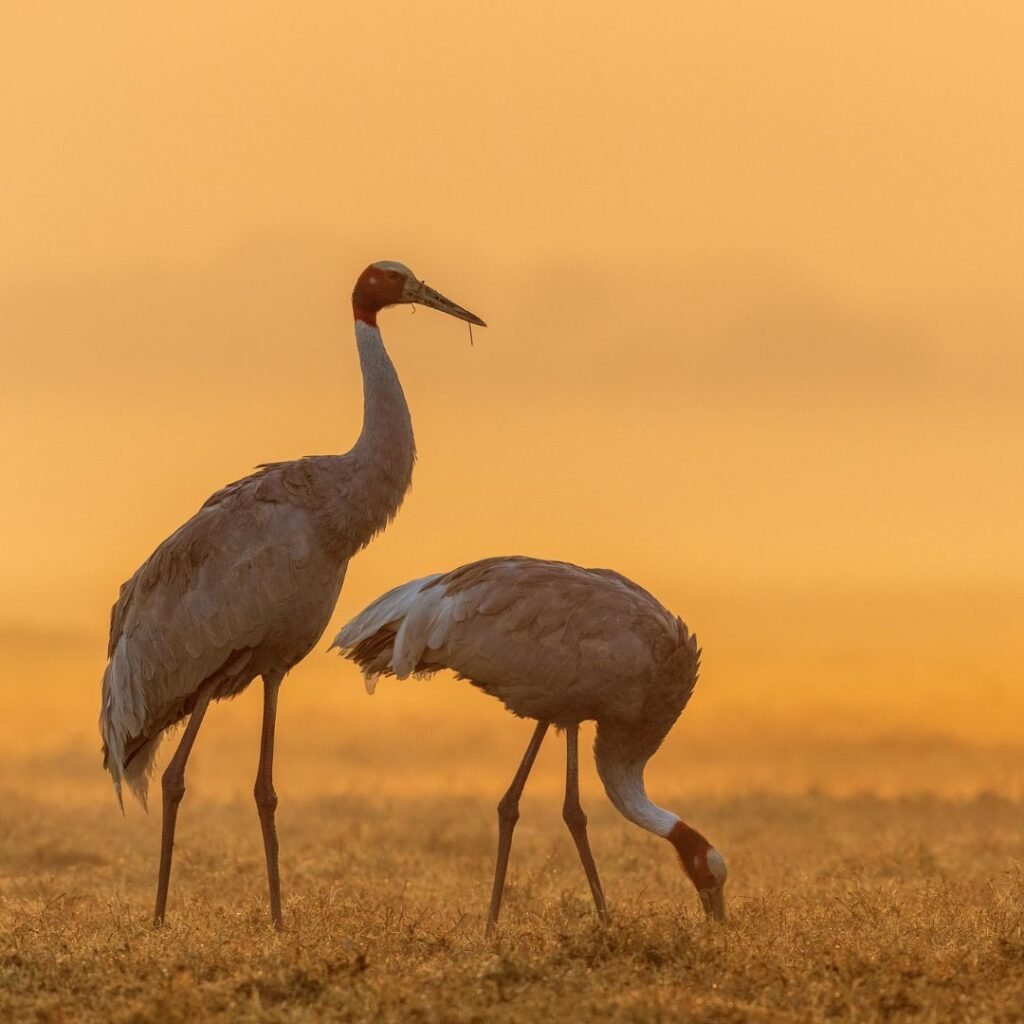
Wildlife photography is often discussed in terms of camera bodies, lenses, shutter speeds and autofocus settings.
Those things matter.
But many of the strongest wildlife photographs are decided before the photographer presses the shutter.
The real work begins with observation.
Watch Before You Photograph
One of the most useful habits in wildlife photography is simply watching.
Before raising the camera, ask:
Where is the animal moving?
What is it likely to do next?
Where is the light coming from?
What is behind it?
Is there a cleaner position available?
Wildlife behaviour often follows patterns. An animal may pause before crossing a road, look toward a sound or move toward shade.
Anticipating these moments gives you more opportunities than reacting after they happen.
Light Changes Everything
Good light can transform an ordinary scene.
Early morning and late afternoon often provide softer light and longer shadows, creating more depth and texture.
Harsh midday sunlight can make photography more difficult, but it can also produce interesting high-contrast images when used deliberately.
Instead of asking only whether the light is “good,” consider what the light is doing to the subject.
Look at the Background
A technically sharp photograph can still feel weak if the background is distracting.
Branches, vehicles, bright patches and tangled vegetation can compete with the animal.
Before pressing the shutter, look beyond the subject.
Sometimes moving your camera only slightly can change the background completely.
Give the Animal Space
Not every photograph needs to fill the frame.
A wider composition can communicate where an animal lives.
A tiger surrounded by tall grass tells a different story from a tightly cropped portrait of its face.
Environmental photographs can be particularly powerful because they connect the animal with its habitat.
Learn to Anticipate Behaviour
Wildlife photography becomes much easier when you understand behaviour.
Watch body language.
A change in posture, direction of gaze or ear position may indicate that something is about to happen.
A bird may prepare before taking flight. A deer may become alert before an alarm call spreads through the herd.
The more you observe, the more often you will be ready before the action begins.
Patience Is a Camera Setting Too
You cannot buy patience with a more expensive lens.
Sometimes the best photograph requires waiting.
An animal may disappear into vegetation for several minutes before emerging into a clear patch of light.
Leaving too soon can mean missing the moment.
At the same time, patience should never become pressure on the animal. The photographer’s responsibility is to observe, not control the outcome.
Technical Settings Come After Observation
Shutter speed, aperture, ISO and autofocus are important tools.
But settings should support the situation rather than dominate it.
Fast-moving subjects may require a faster shutter speed. Portraits may benefit from a wider aperture. Changing light may require adjustments to ISO.
The important skill is recognising what the scene requires.
The Photograph Starts With a Decision
A memorable wildlife photograph is rarely the result of pressing the shutter at random and hoping something works.
It begins with a series of small decisions:
Where should I stand?
What is the light doing?
What is the animal likely to do?
What is distracting from the subject?
Should I wait?
Should I make a wider composition?
The camera records the final decision.
The photographer creates the opportunity.
Photograph the Story, Not Just the Animal
Wildlife photography can be more than portraits.
A herd moving through mist. A bird interacting with another species. A mother watching over a young animal. Tracks crossing a sandy riverbank.
These images communicate something about the life of the forest.
The strongest wildlife photographs often make the viewer curious about what happened just before—and what happened immediately after the frame was captured.