
What to Carry on a Jungle Safari
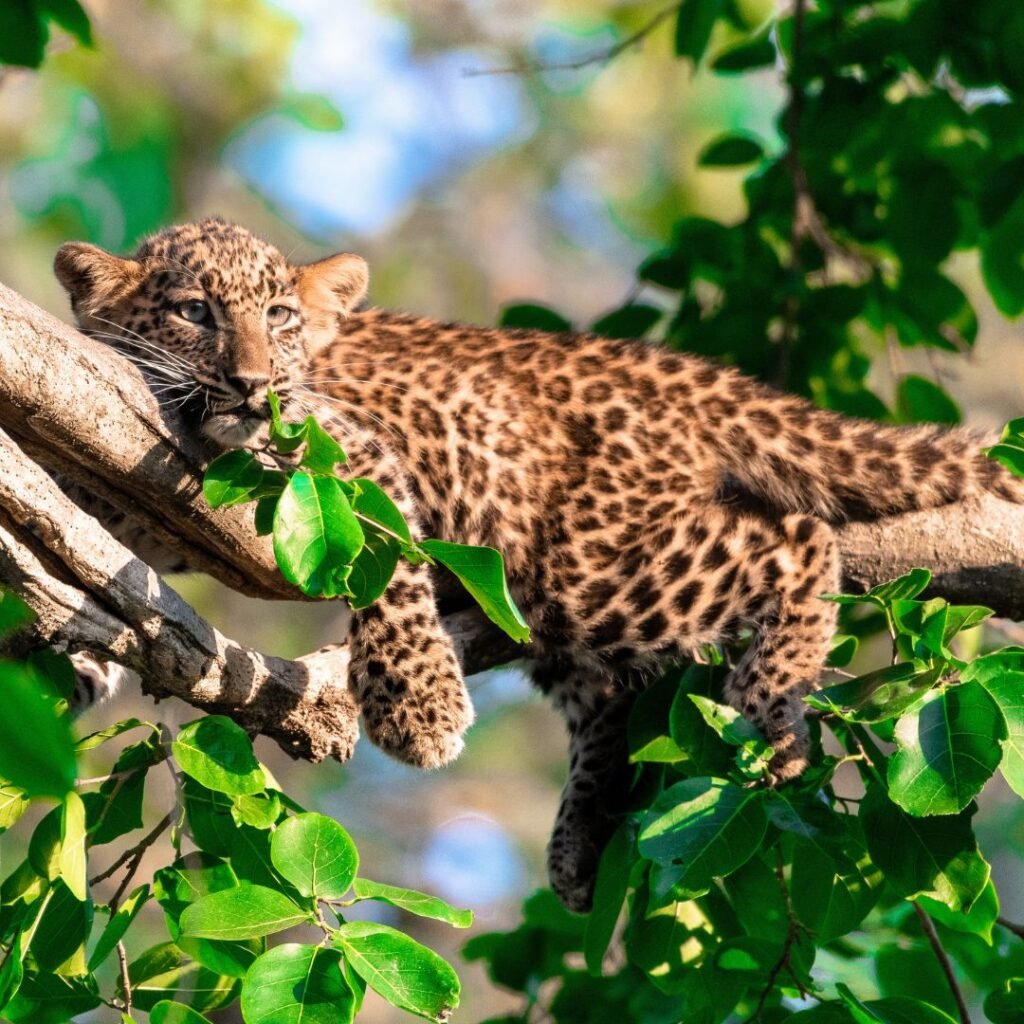
A jungle safari does not require an enormous amount of equipment. In fact, carrying too much can make the experience less comfortable.
The goal is simple: bring what helps you observe, photograph and enjoy the forest while staying prepared for changing weather and long periods outdoors.
Here is a practical checklist for your next safari.
Comfortable, Neutral-Coloured Clothing
Choose lightweight, comfortable clothing that allows you to sit for several hours without discomfort.
Earthy and muted colours are generally preferable to bright clothing. The aim is not to become invisible to wildlife, but to avoid unnecessary visual distractions.
Layering is particularly useful during cooler mornings because temperatures can change significantly as the day progresses.
A Light Jacket or Warm Layer
Early-morning safaris can be surprisingly cold, especially during winter.
A lightweight jacket, fleece or warm layer can make a major difference. Choose something that is easy to remove and store once temperatures rise.
For summer safaris, breathable clothing is more important than heavy layers.
Comfortable Footwear
You will usually spend much of a jeep safari seated, but comfortable footwear is still important.
Choose closed, practical shoes suitable for outdoor conditions. Avoid footwear that is uncomfortable for long periods or difficult to clean after exposure to dust and mud.
Sunglasses and Sun Protection
The combination of open vehicles, strong sunlight and long hours outdoors can be tiring.
A good pair of sunglasses, sunscreen and a cap or hat can help make the experience more comfortable.
Remember that sun exposure can remain significant even when the morning feels cool.
Binoculars
A pair of binoculars can completely change the way you experience a safari.
Not every animal will appear close to the vehicle. Birds may remain high in trees, deer may stand at a distance and interesting movement can happen across a grassland.
Binoculars allow you to observe details without needing to get physically closer.
Camera and Spare Batteries
If photography is part of your safari, prepare your equipment before leaving.
Carry:
- Fully charged batteries
- Sufficient memory cards
- Lens cloth
- Camera rain protection
- A protective bag or cover
- Extra batteries if possible
Dust can be an issue on forest roads, so take care when changing lenses.
Protect Your Camera From Dust
Safari roads can become dusty, particularly when several vehicles are travelling through the same area.
Keep your camera protected when you are not actively photographing. A simple camera cover or weather-resistant bag can help.
Avoid unnecessary lens changes inside a dusty vehicle.
Water and Small Snacks
Carry sufficient drinking water, particularly during warmer months.
Depending on safari rules and the operator, small snacks may be useful for longer drives. Avoid anything noisy, strongly scented or difficult to manage inside a vehicle.
And always take your waste back with you.
Power Bank
Photography, navigation and communication can consume battery quickly.
A compact power bank can be useful, particularly if you have a long day involving multiple activities.
Keep your phone on silent during wildlife observation.
Insect Protection
Depending on the season and location, insect repellent can be useful.
Choose a practical product and apply it before entering the forest rather than repeatedly reaching into bags during the safari.
What You Don’t Need
You generally don’t need to pack your entire travel bag into the safari vehicle.
Avoid unnecessary luggage, loud accessories and anything that could become a distraction.
The best safari kit is usually simple:
Comfortable clothing + binoculars + camera + water + sun protection + patience.
Most Important: Curiosity
The most valuable thing you can carry into a forest cannot be bought.
Curiosity.
Look beyond the obvious. Ask your guide about tracks, calls, plants and behaviour. Watch the birds. Notice changes in the landscape.
A safari becomes much more rewarding when you stop waiting for something spectacular to happen and start noticing what is already happening around you.