
Planning Your First Jim Corbett Safari
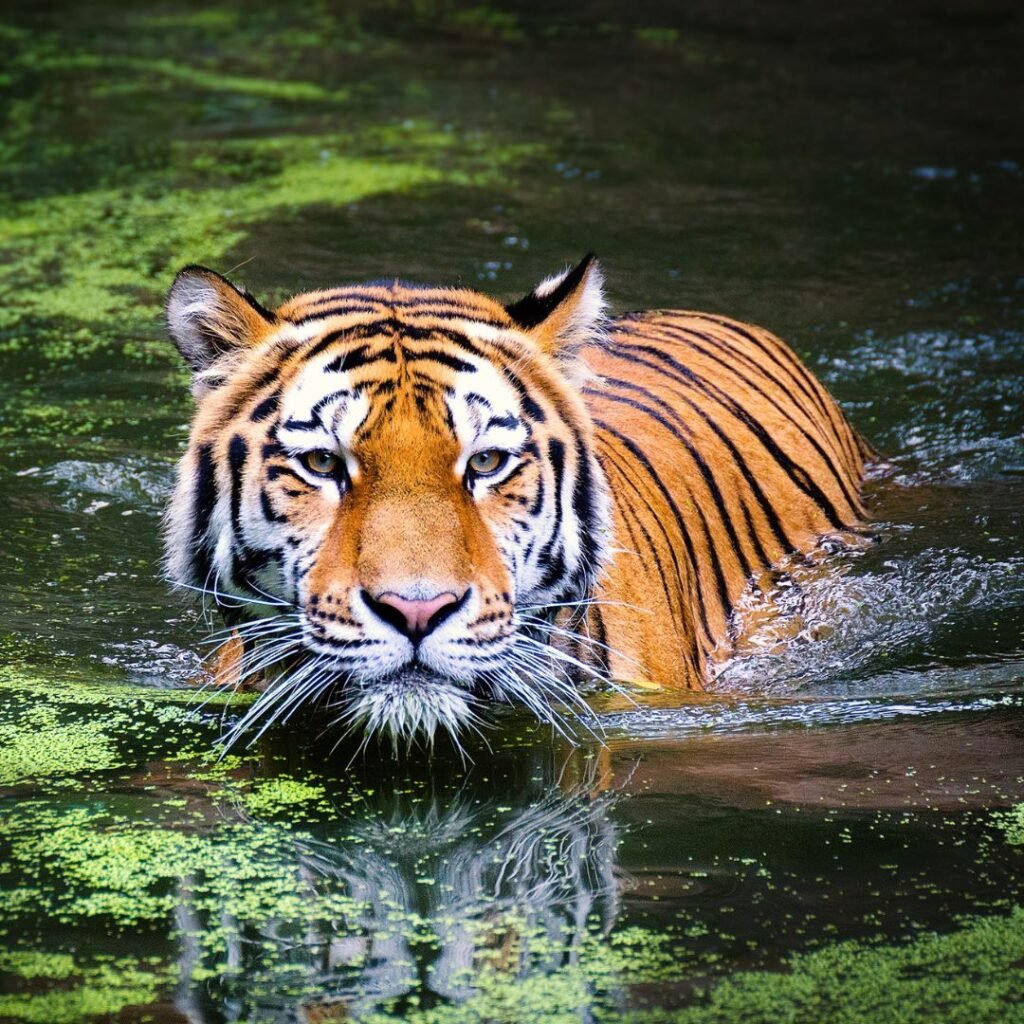
A first safari in Jim Corbett National Park can be exciting, unfamiliar and, at times, wonderfully unpredictable. The forest does not operate on a schedule, and that is part of what makes the experience special.
Corbett is best approached not simply as a place to look for a tiger, but as a living landscape where every drive offers an opportunity to observe wildlife, habitat and behaviour.
If you are planning your first visit, a little preparation can make the experience more comfortable and rewarding.
Choose the Right Season for Your Experience
Corbett changes considerably through the year.
The cooler months can offer comfortable safari conditions, with pleasant mornings and clearer visibility in many areas. Winter also brings a different character to the forest, with migratory birds adding to the diversity of sightings.
As temperatures rise toward summer, animals may become more active around water sources. The vegetation can also become less dense in certain areas, sometimes making wildlife easier to spot.
The monsoon brings its own transformation. Parts of the park close during the rainy season, while the surrounding landscape becomes greener and more vibrant.
There is no single “perfect” season for everyone. Your choice should depend on whether you prioritise comfortable weather, birdlife, landscapes, photography or the possibility of seeing animals around water.
Understand the Safari Experience
A safari is not a zoo visit. There are no guaranteed sightings.
You may spend hours driving through beautiful forest without seeing a large mammal. Then, a sudden alarm call or movement in the vegetation can completely change the experience.
That uncertainty is an important part of a wildlife safari.
Try to arrive with an open mind. A tiger sighting may be the highlight of a trip, but it should not be the only measure of whether the safari was worthwhile.
Consider Your Safari Zone
Corbett consists of different tourism zones and landscapes, each with its own character.
When planning your trip, look beyond simple claims about which zone is “best.” Wildlife is mobile, conditions change and sightings are never guaranteed.
Instead, consider factors such as accessibility, accommodation location, safari timings and the type of habitat you would like to experience.
If possible, spreading your safaris across different drives can give you a broader understanding of the landscape.
Set Realistic Expectations
One of the biggest mistakes first-time visitors make is arriving with a checklist:
Tiger. Elephant. Leopard. Deer.
Wildlife rarely follows a checklist.
A good safari may involve watching a herd of chital move through golden grass, listening to langurs issue alarm calls, spotting a kingfisher near a stream or following fresh pugmarks along a forest road.
Sometimes the most memorable moments are the ones you did not expect.
Carry the Right Essentials
A few simple items can make a significant difference.
Carry comfortable neutral-coloured clothing, sunglasses, sunscreen, a hat and sufficient water. Binoculars are extremely useful, especially for birds and animals at a distance.
If you are carrying a camera, keep your equipment protected from dust and sudden weather changes.
Avoid carrying unnecessary items that make the safari uncomfortable or create distractions.
Give the Forest Your Attention
Perhaps the best preparation is mental.
Put the phone away for a while. Listen to the forest. Watch the treeline. Notice tracks on the road. Look for movement in the canopy.
Your guide may point out something that would otherwise be almost invisible—a bird call, a distant movement or the remains of a recent animal activity.
The more you learn to observe, the more the forest reveals.
The Best Safari Is Not Always the One With the Tiger
A tiger sighting can be an unforgettable experience, but a safari is much larger than a single animal.
Corbett is a landscape of rivers, sal forests, grasslands, birds, reptiles, herbivores and countless smaller interactions.
Go expecting to discover a forest rather than simply to find a tiger.
That shift in expectation can turn your first safari into a much richer experience.