
Why a Safari Is More Than a Sighting List
It is easy to measure a safari by the animals you see.
Tiger.
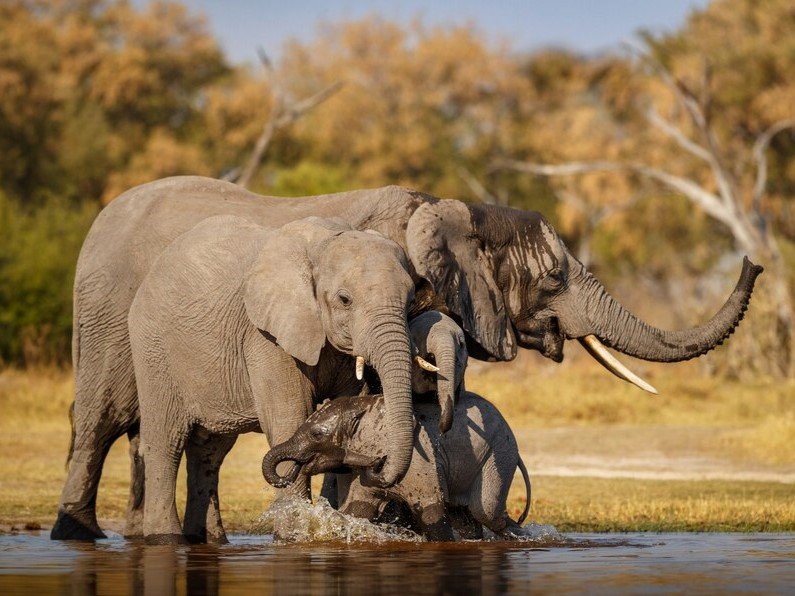
Elephant.
Leopard.
Deer.
Birds.
But a forest is telling a much larger story.
A safari becomes far more interesting when you learn to read the clues around you rather than waiting for a large animal to appear.
Listen to Alarm Calls
One of the most exciting sounds in a forest is an alarm call.
A langur calling from a tree. A chital suddenly becoming alert. Birds reacting to movement.
These sounds can tell you that something has changed nearby.
They may not always lead to a predator sighting, but learning to recognise them adds another layer to the safari.
The forest communicates constantly.
You simply have to listen.
Look for Tracks and Signs
Tracks can reveal activity that happened before you arrived.
Pugmarks, hoofprints, scratch marks and other signs can provide clues about which animals have recently passed through an area.
Experienced guides often notice details that visitors would otherwise overlook.
The road itself can become a record of what happened during the previous few hours.
Watch the Birds
Birds are an essential part of a forest experience.
Kingfishers, eagles, woodpeckers, hornbills, owls and smaller forest birds can make a safari memorable even when larger mammals remain hidden.
A pair of binoculars can completely change how much you notice.
Once you start looking upward, the forest seems to become much busier.
Notice the Landscape
The forest is not simply a background for animals.
Rivers, grasslands, sal forests, rocky areas and open clearings create different habitats.
Understanding these landscapes helps explain why different species occur in particular places.
Sometimes stopping to appreciate a river valley or an old forest can be as rewarding as searching for wildlife.
Observe Behaviour
Instead of simply asking, “What animal is that?”, ask:
What is it doing?
Is it feeding?
Watching?
Calling?
Moving?
Resting?
Interacting with another animal?
Behaviour gives context to a sighting.
Even a common species can become fascinating when you spend a few minutes watching what it actually does.
Appreciate the Small Moments
A dragonfly resting on a branch.
A spider web catching morning light.
Fresh tracks in wet soil.
A bird calling from somewhere you cannot see.
Leaves moving in the canopy.
These details may never appear on a safari checklist, but they are part of the forest experience.
Your Guide Is Also a Teacher
A knowledgeable naturalist or guide can dramatically change the way you see a landscape.
Ask questions.
Why is this area open?
Which animals use this water source?
What does that call mean?
Why are these trees important?
What signs are we looking for?
The answers can transform a drive through the forest into a lesson in ecology.
Leave Room for the Unexpected
The forest does not follow an itinerary.
You may spend an entire morning searching for a particular animal and instead encounter something completely unexpected.
That unpredictability is part of the experience.
A safari should leave room for curiosity.
Take Home More Than Photographs
A successful safari does not need to end with a perfect photograph or a long list of sightings.
If you return knowing a little more about the forest—how animals communicate, how habitats connect and how wildlife leaves traces of its presence—you have experienced something much deeper.
The goal is not simply to see the forest.
It is to learn how to notice it.